

Skip to content
AviyanaCeylon
Graphic Language & Botanical Art

Chapter III · The Visual Identity

Graphic Language & Botanical Art

The visual identity

Approved botanical motif language, illustration styles, line treatments and decorative rules.

Drawn from the living landscape.

  1. 001Motif Categories
  2. 002Line Treatments
  3. 003Botanical Atlas
  4. 004Decorative Rules
  5. 005Placement & Usage

01 · Approved motif categories

Approved MotifCategories

Our botanical art draws inspiration from the natural beauty and biodiversity of Sri Lanka, expressed through refined, contemporary line work. The illustrations add a sense of place, craft and quiet luxury to Aviyana Ceylon communications, complementing our typography and visual identity.

Leaf forms

Leaf forms

Tea leaves, foliage and natural forms

Floral studies

Floral studies

Flowers and blooms in refined detail

Stem & accents

Stem & accents

Buds, berries and organic stems

Compositional elements

Compositional elements

Small arrangements and supporting motifs

02 · Illustration styles & line treatments

Illustration Styles& Line Treatments

Fine line illustration

Fine line illustration

Delicate, refined line work with natural detailing.

Line + subtle tone

Line + subtle tone

Optional light tonal detail for depth and texture.

Contour motifs

Contour motifs

Clean contour drawings for elegant, minimal use.

03Preferred line quality
  • Refined & Natural

    Fluid, organic strokes that reflect the natural form of the subject.

  • Elegant Detail

    Intricate yet restrained detailing for a timeless, premium feel.

  • Consistent Weight

    Fine, even line weight with considered variation.

  • No Heavy Fills

    Avoid bold outlines, heavy shading or overly decorative styles.

04 · Approved botanical atlas (examples)

BotanicalAtlas

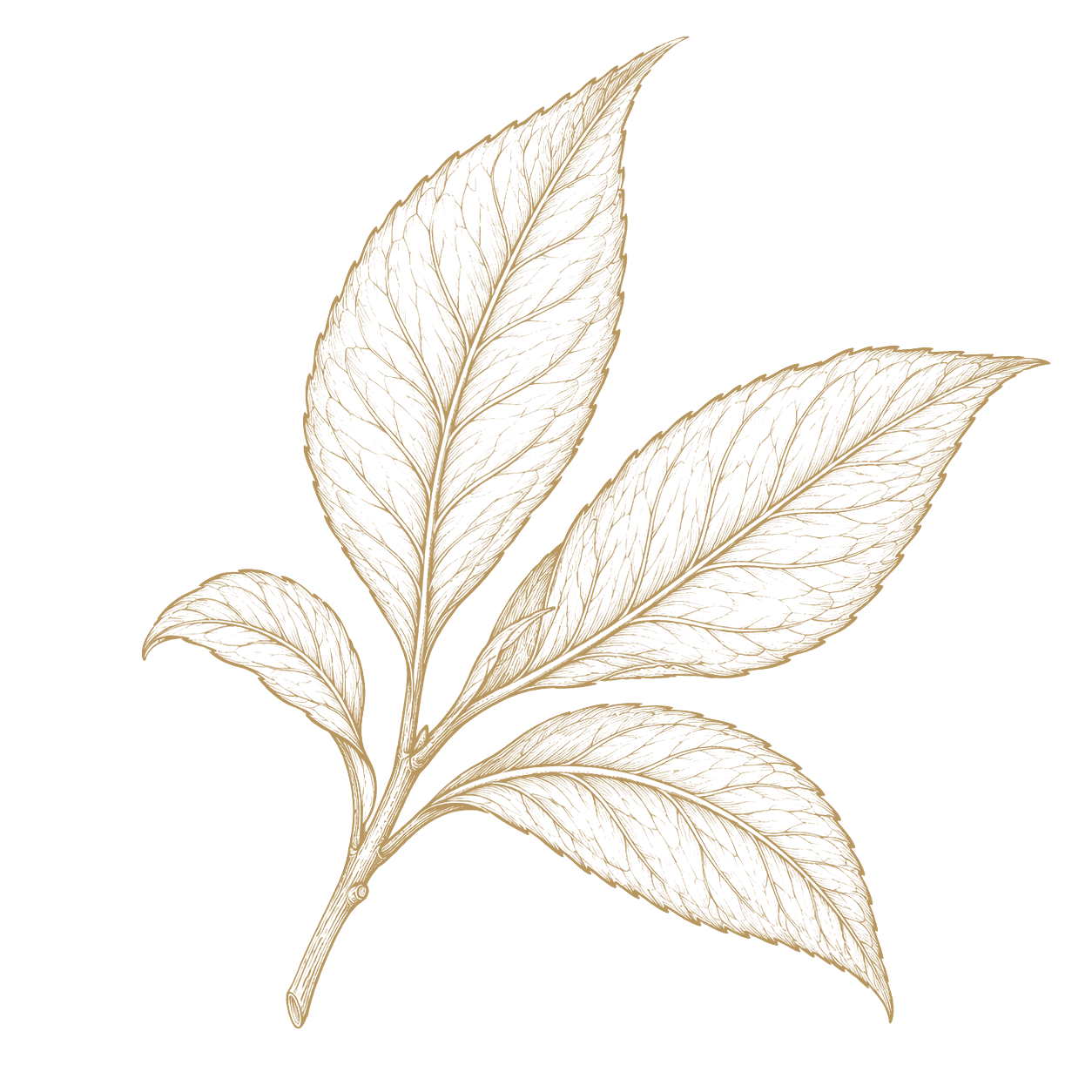
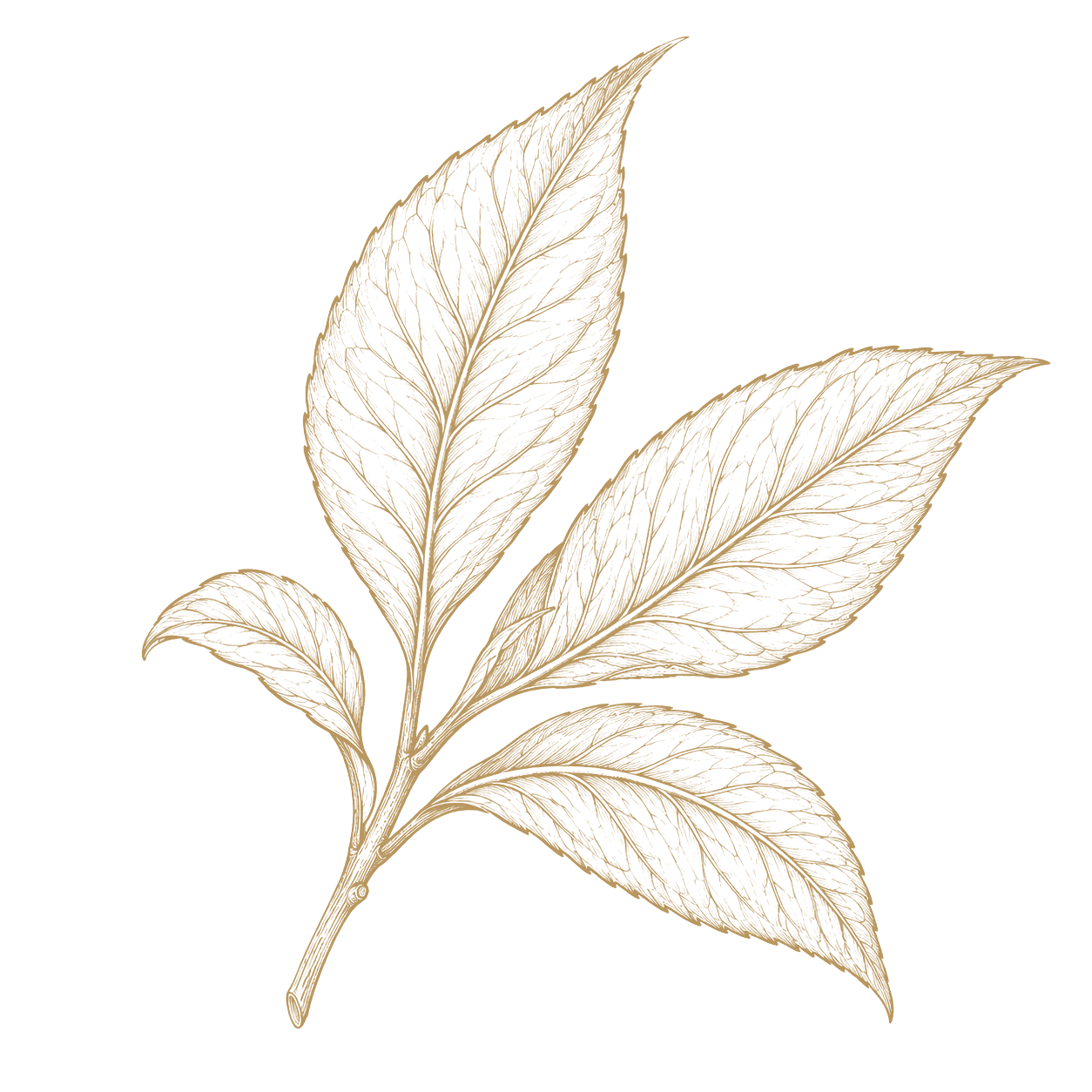
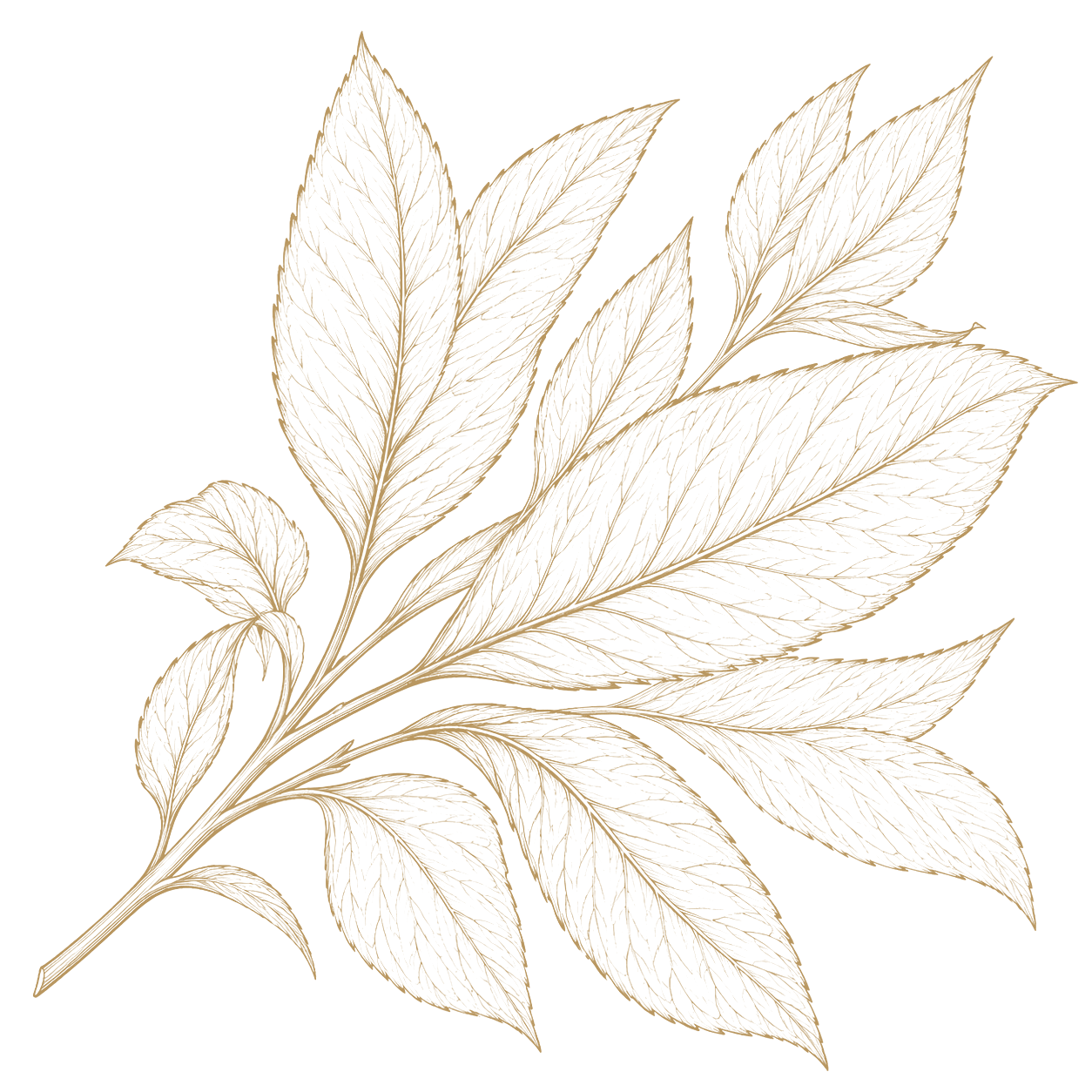
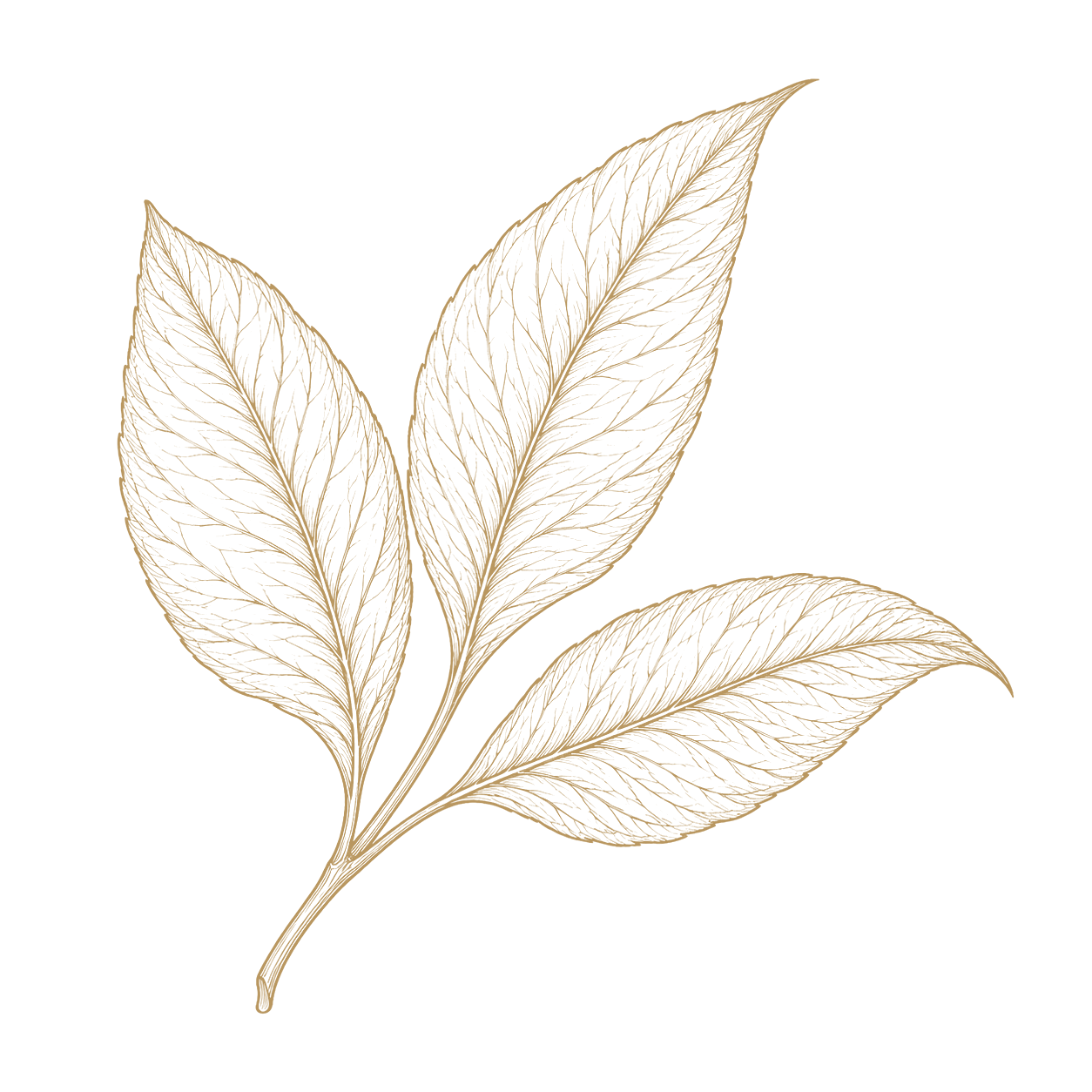
Tea leaf study

Tea leaf study

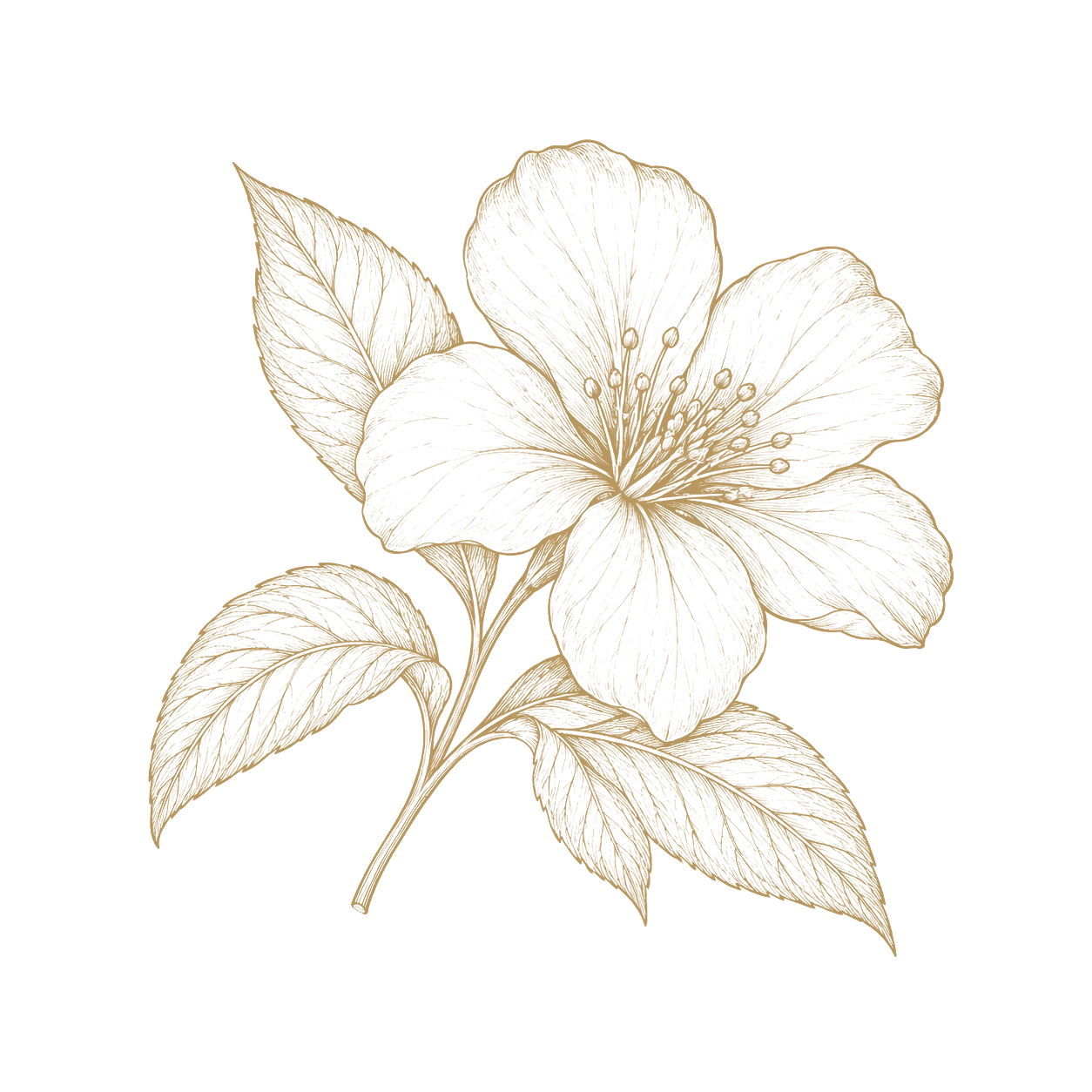
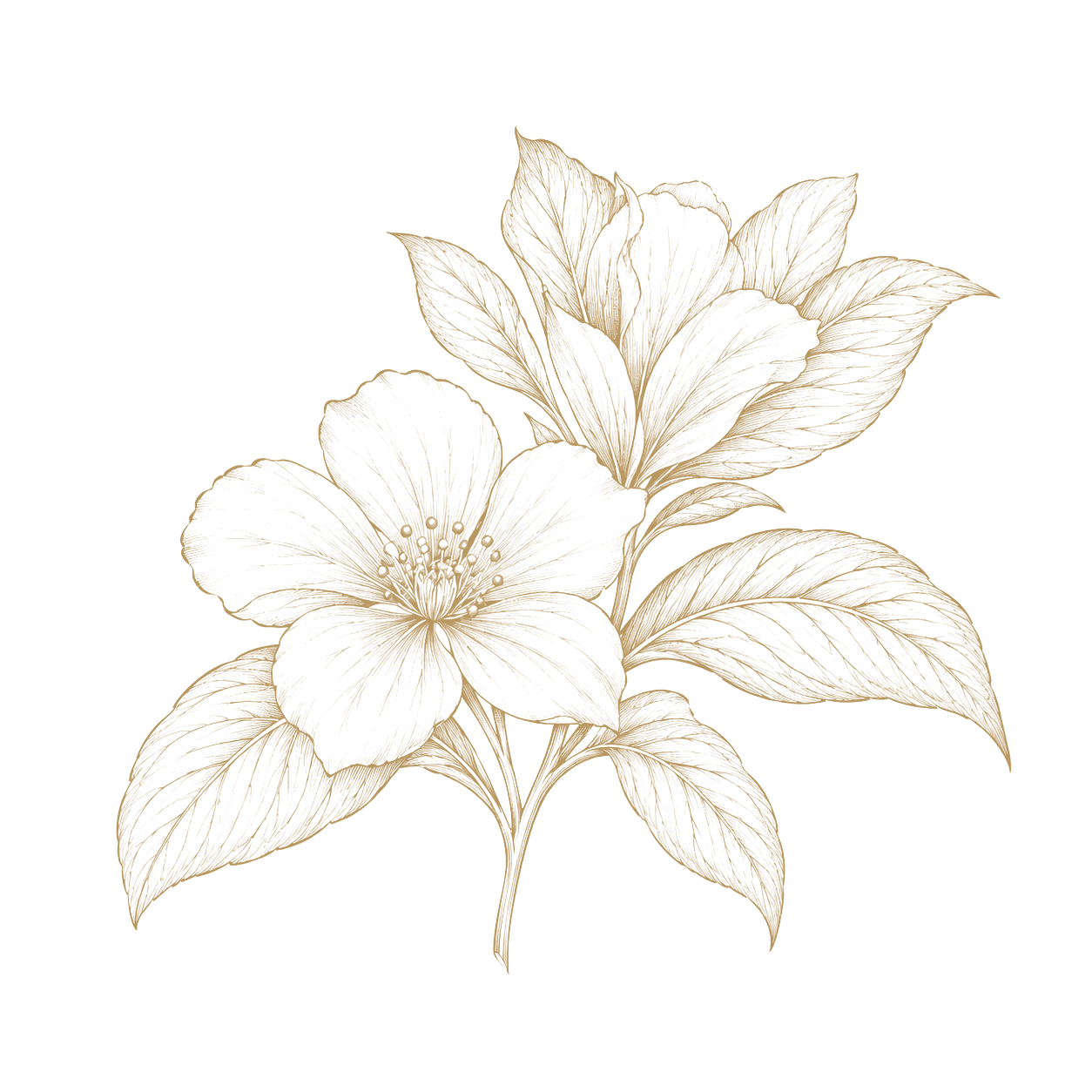
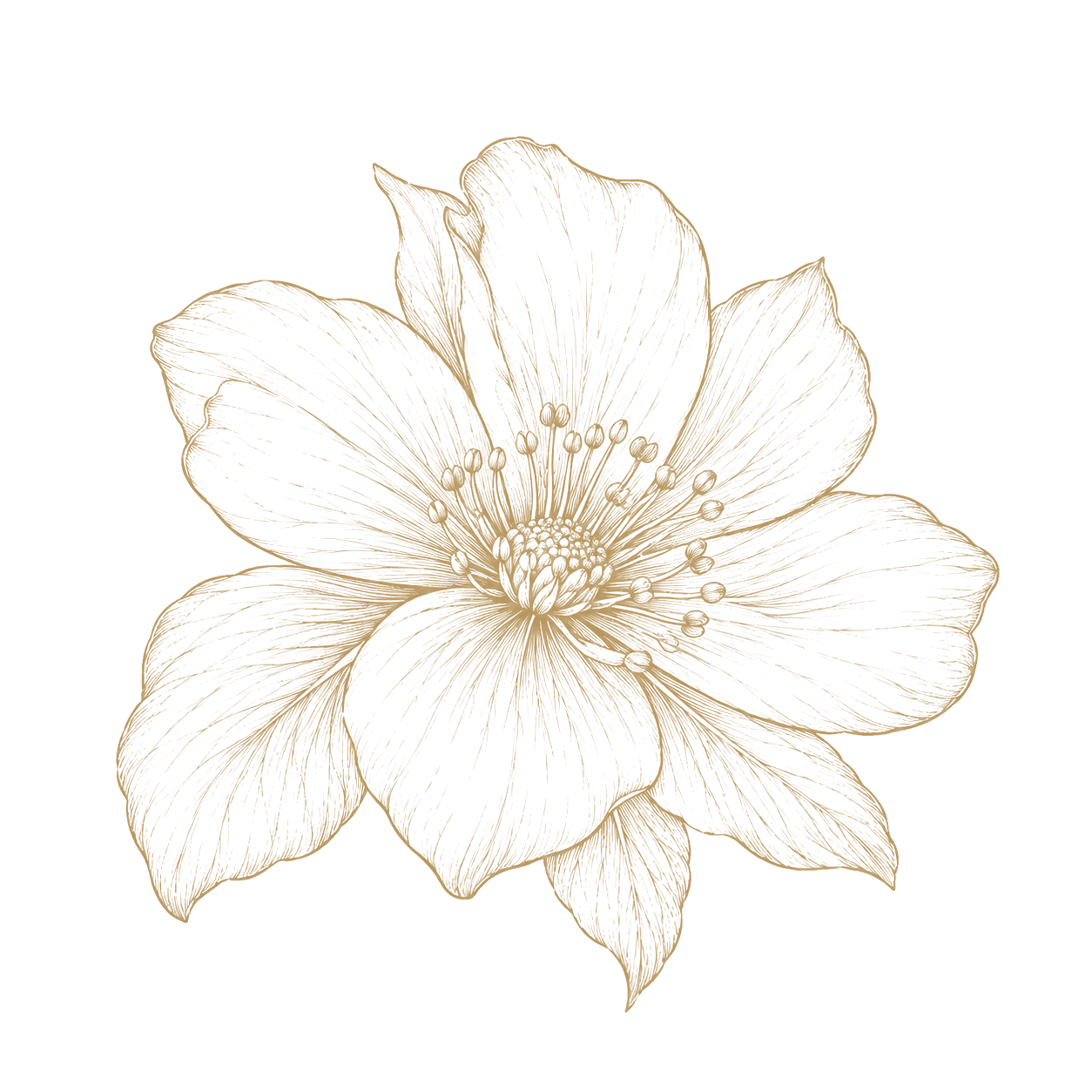
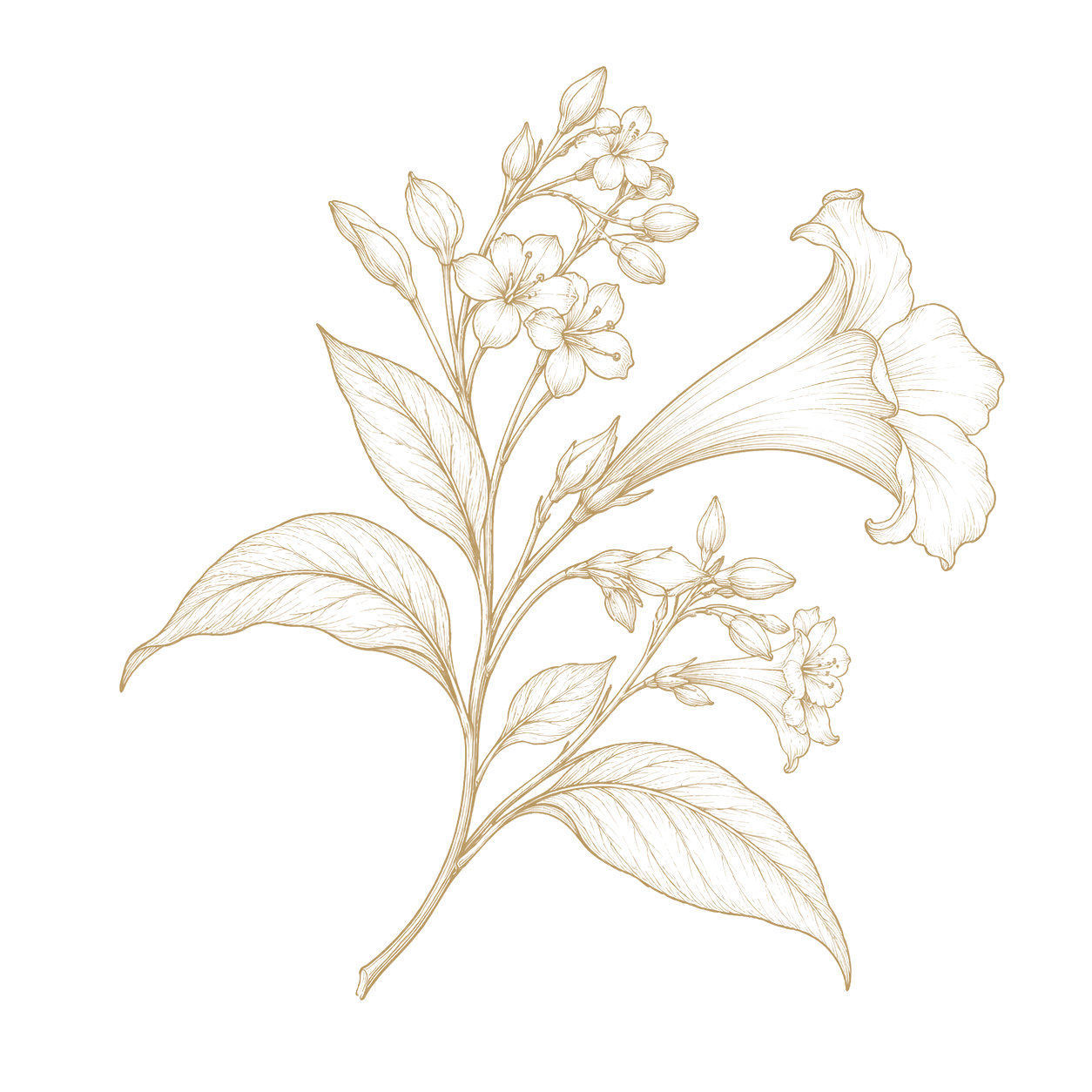
Floral study

Floral study

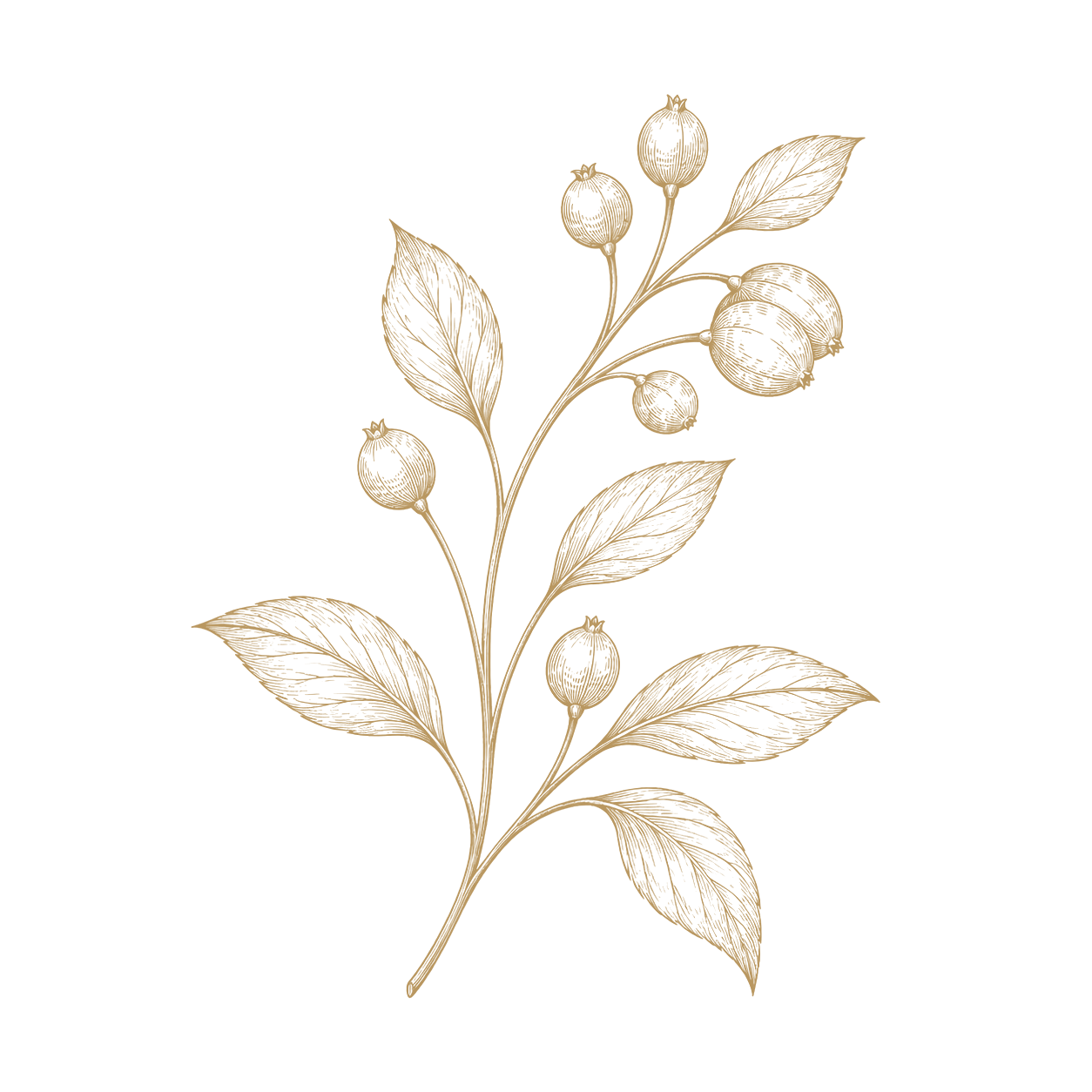
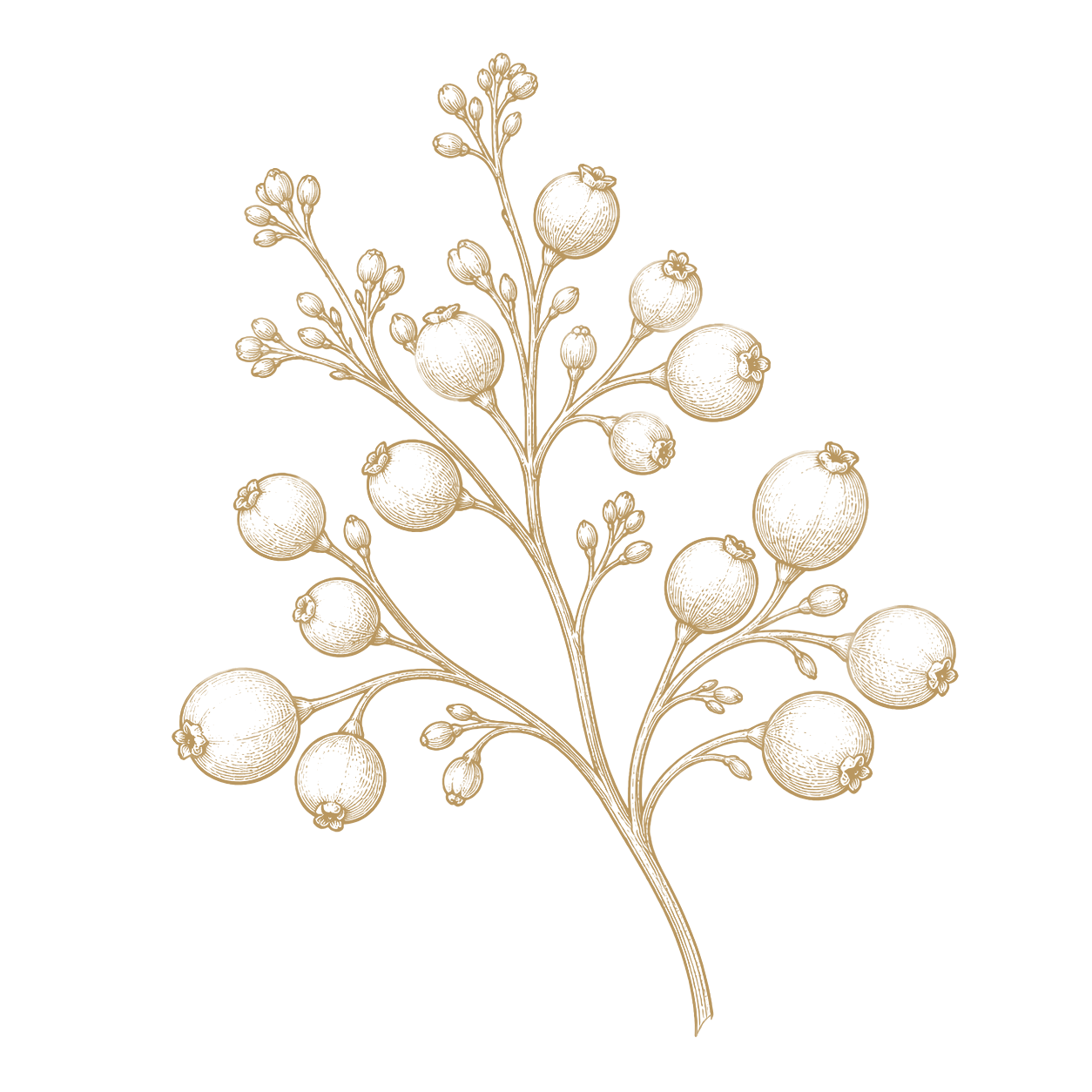
Berry accent

Berry accent

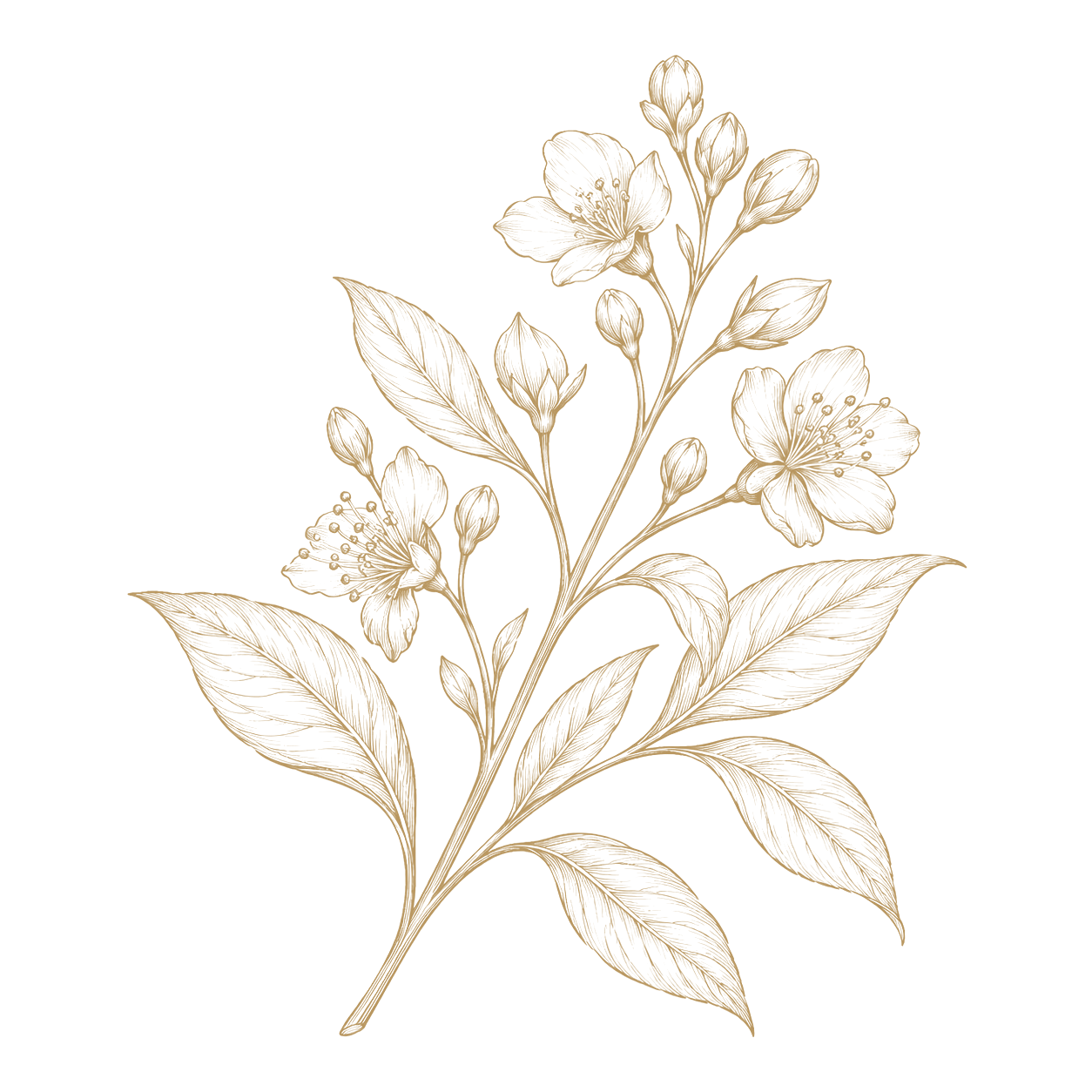
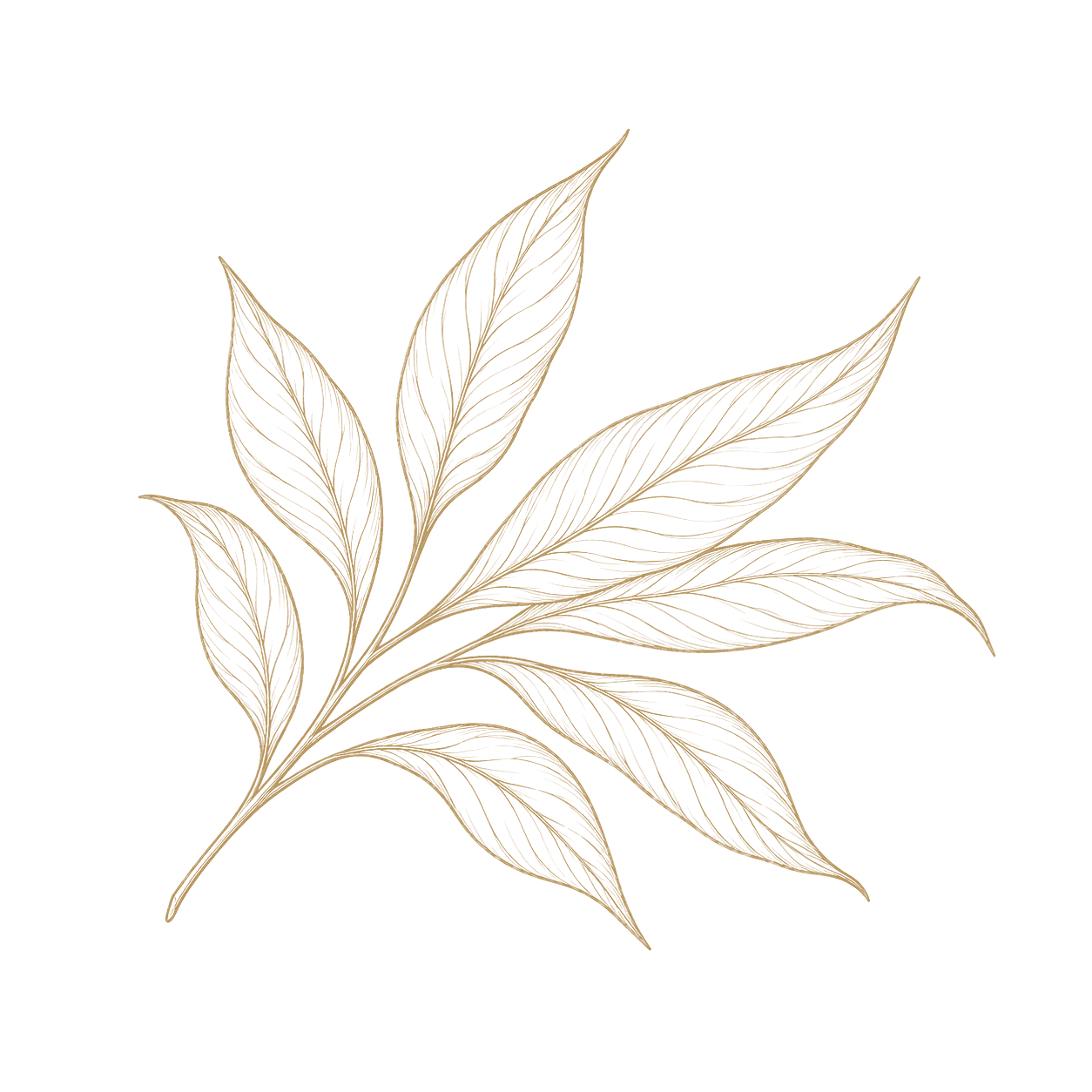
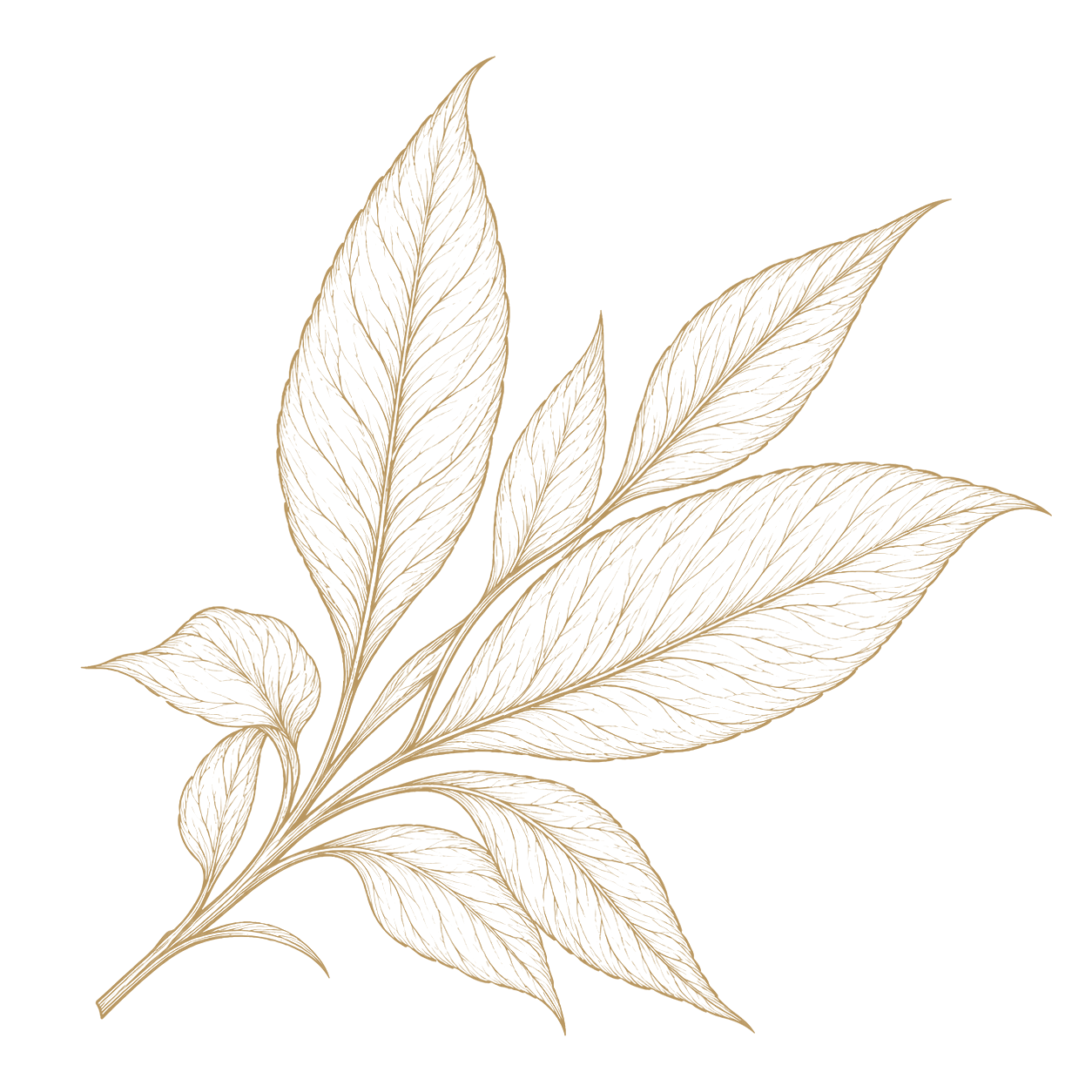
Foliage study

Foliage study

Natural form

Natural form

06 · Decorative rules (examples)

DecorativeRules

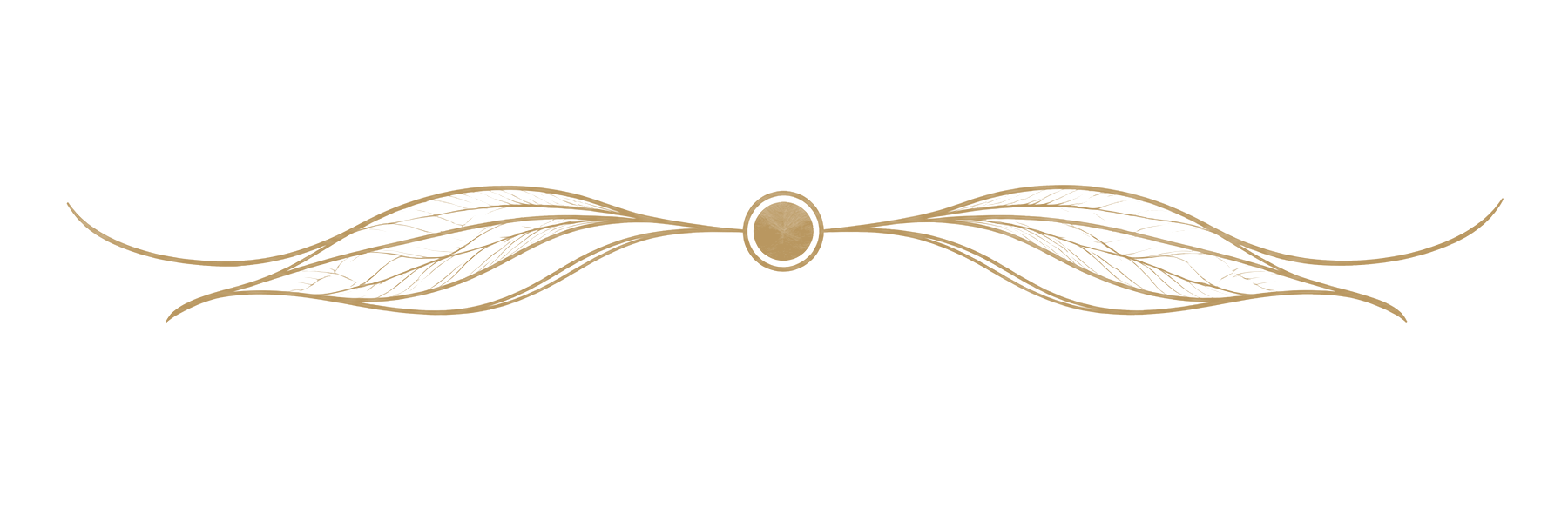
Centre divider
Centre divider
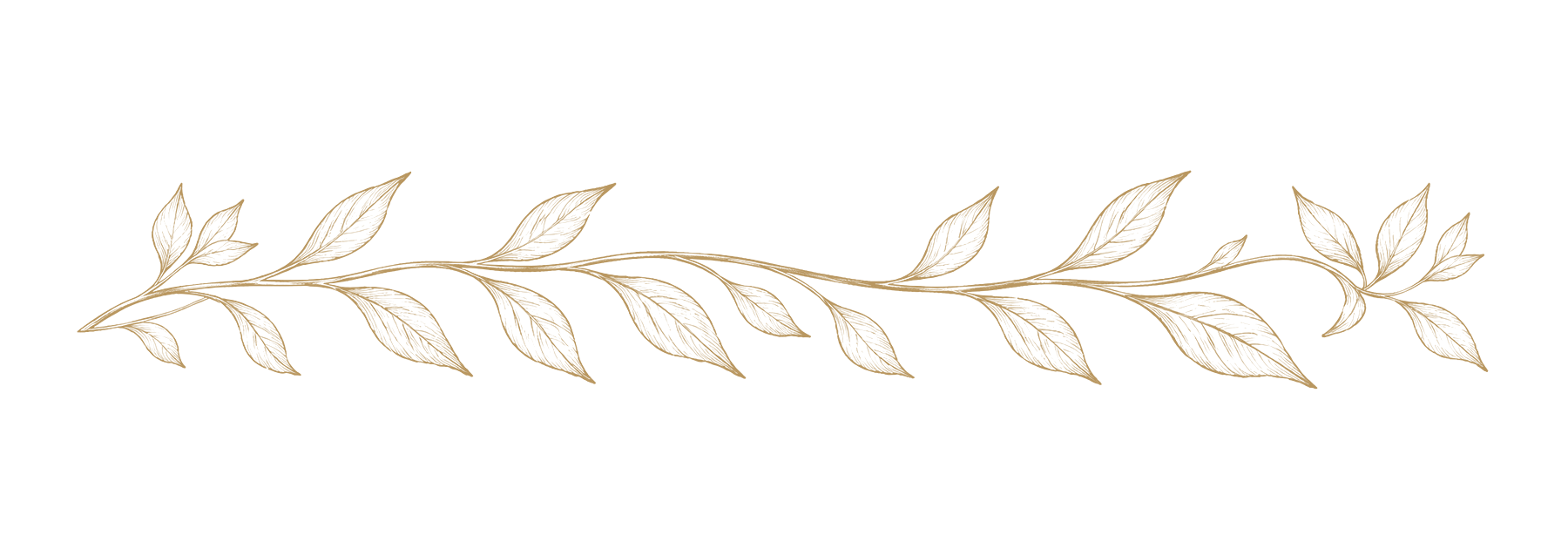
Section rule
Section rule
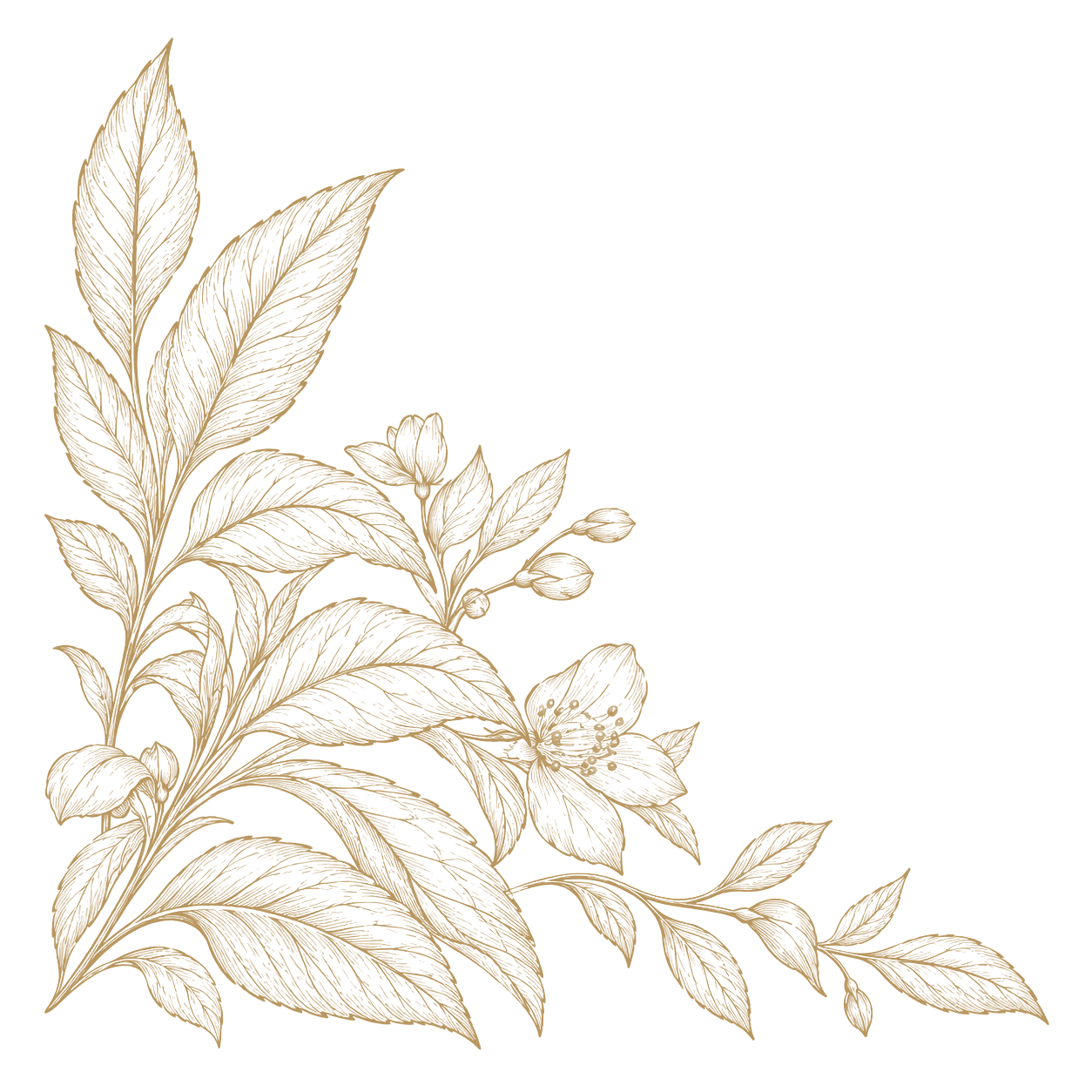
Border fragment
Border fragment

05 · Placement zones · 07 · Usage guidelines · 08 · Important note

Placement Zones& Usage Guidelines

Botanical motifs are used as subtle design elements to enhance layouts and create visual depth. They work best in corners, margins, dividers or as background accents, always with restraint to maintain clarity and elegance.

05Placement zones
  • Corners & page margins

  • Section openers and dividers

  • Background accents

  • Packaging and print collateral

  • Digital layouts and social templates

Usage guidelines

  • Use botanical motifs to enhance, not compete with, our core brand elements.
  • Keep compositions light, refined and spacious.
  • Maintain clear space and legibility for typography.
  • Use sparingly and with purpose.
  • Ensure consistent illustration style and tone across all brand communications.

Important note

  • Named plants and species must be verified for accuracy by the brand team.
  • Botanical illustrations are decorative elements and must never be confused with the Aviyana Ceylon master logo or the bird symbol.
  • Do not recreate, modify or incorporate the bird symbol within botanical artwork.

Grids, Patterns & Composition

A refined grid and composition system brings clarity, balance and consistency to all Aviyana Ceylon communications, ensuring a harmonious and immersive visual experience.

Continue